 EN
EN
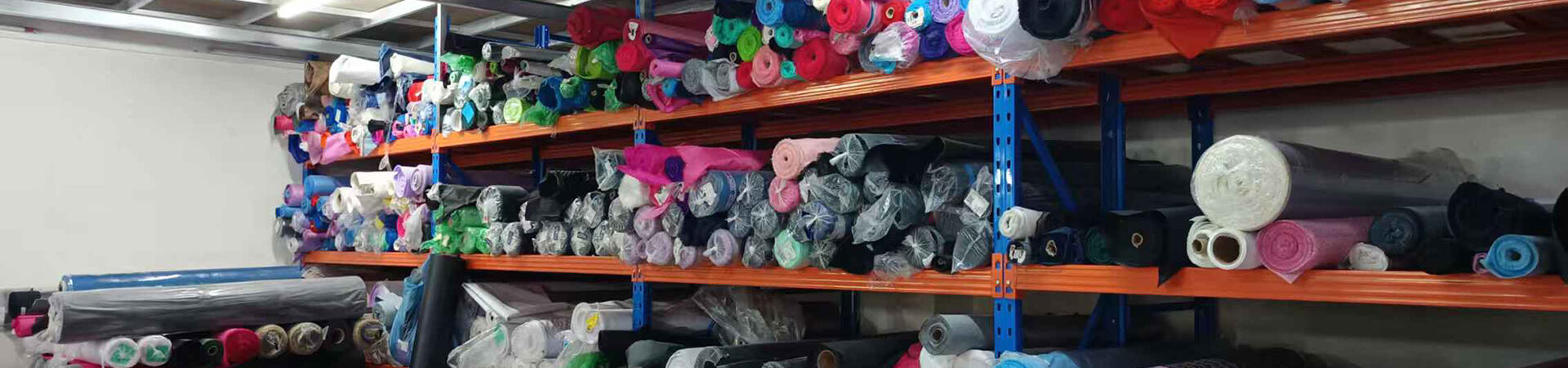
Global conflicts often have unexpected impacts on manufacturing industries. With the rising tensions and potential war risks between Israel and Iran, supply chains across multiple sectors are facing new uncertainties.
For the bag manufacturing industry, the impact is particularly visible in raw material price fluctuations. Materials such as nylon, polyester, PU leather, aluminum accessories, and plastic components are all influenced by oil prices, shipping disruptions, and regional instability.
As a bag OEM factory with long-term export experience, here are several practical strategies manufacturers and brands can adopt.
Many bag materials are closely tied to petrochemical products. When geopolitical tensions push oil prices higher, the cost of fabrics like polyester and nylon will usually follow.
Factories should:
*Secure material prices earlier
*Increase short-term safety inventory
*Work with multiple material suppliers
This helps reduce the risk of sudden cost jumps during production.
Brands and factories should work together to design products that allow material substitutions when necessary.
For example:
*Replace high-cost nylon with durable polyester alternatives
*Adjust hardware materials
*Simplify structural components
*Flexible design helps maintain product quality while controlling cost.
During uncertain times, internal efficiency becomes a key advantage.
Bag factories can:
*Reduce material waste during cutting
*Improve production line efficiency
*Consolidate orders to reduce manufacturing costs
Small efficiency improvements can offset part of the raw material increase.
Transparency is extremely important in times of price volatility.
Instead of sudden price changes, factories should:
*Inform clients about material trends early
*Provide updated quotations with explanation
*Offer alternative solutions
Most brands appreciate clear communication and proactive problem solving.
The global supply chain has faced multiple shocks in recent years—from pandemics to geopolitical conflicts.
Factories that build diversified supply networks and maintain strong supplier relationships will be more resilient during disruptions.
Global events are often beyond our control, but how manufacturers respond makes all the difference.
For bag factories and brands alike, the key is flexibility, transparency, and supply chain resilience. Those who adapt quickly will continue to grow even in uncertain times.

Copyright © Quanzhou Glory Sports Goods Co.ltd All Rights Reserved - Privacy Policy