 EN
EN
Production
Home > News > Production
Home > News > Production
For many brands, working with a bag factory can sometimes feel like a “black box.”
What actually happens between the moment you approve a design and the day your bags are shipped?
As an OEM bag manufacturer working with international brands, we believe transparency in the production process builds trust and better products. Here is a step-by-step look at how a professional bag factory turns an idea into a finished product.
1. Design Review & Technical Development
Every successful product starts with a clear technical understanding.
At this stage we review:
Product structure
Material requirements
Functionality
Branding elements
Packaging needs
Our technical team creates detailed tech packs and production notes to ensure the design can be manufactured efficiently while maintaining the intended quality.
For many European brands, this step also includes material compliance checks and sustainability considerations.
2. Sample Development
Once the design is confirmed, the factory produces development samples.
This stage normally includes:
Pattern making
Material sourcing
Logo technique testing (embroidery, heat transfer, printing, etc.)
Function testing
Brands review the sample and provide feedback. Adjustments are made until the pre-production sample (PP sample) is approved.
This process ensures the final product meets both design expectations and functional requirements.
3. Material Sourcing & Quality Inspection
After sample approval, the factory begins bulk material preparation.
Typical materials include:
Polyester or nylon fabrics
PU or recycled materials
Zippers and hardware
Webbing and foam
Labels and packaging
Before production begins, materials go through incoming quality inspection to verify:
Color consistency
Thickness and strength
Logo accuracy
Compliance requirements
This step helps prevent production issues before they start.
4. Cutting & Preparation
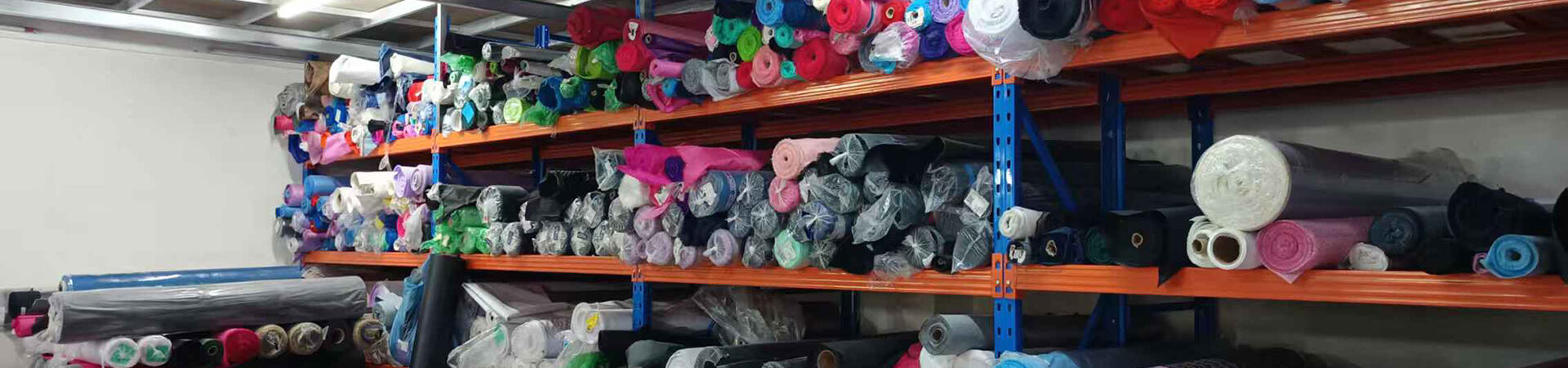
Fabric rolls are carefully inspected and then cut according to the approved patterns.
At this stage the factory focuses on:
Accurate cutting
Minimizing material waste
Sorting panels for production lines
Good cutting management directly affects both product consistency and sustainability.
5. Sewing & Assembly
This is the core of bag manufacturing.
Skilled workers assemble components step by step:
Pocket construction
Zipper installation
Reinforcement stitching
Strap attachment
Structural assembly
Professional factories follow standard operating procedures to ensure consistent quality across the entire production batch.
6. In-Line Quality Control
Quality control does not happen only at the end.
During production, QC teams check:
Stitching quality
Logo placement
Structural accuracy
Functionality
Early detection allows issues to be corrected immediately and helps maintain a stable production process.
7. Final Inspection
Once production is completed, each batch goes through final quality inspection.
Inspection typically includes:
Appearance check
Measurement verification
Function test
Packaging accuracy
Many European clients also request AQL inspection standards before shipment.
8. Packaging & Shipment
After passing inspection, products are packed according to the brand’s requirements, which may include:
Individual poly bags or eco packaging
Hang tags and barcode labels
Carton marking requirements
The final step is preparing the goods for international shipping and export documentation.
Why the Process Matters
A reliable manufacturing process is not only about making products.
It is about delivering:
Consistent quality
On-time delivery
Compliance with international standards
Long-term partnership with brands
For brands, choosing a factory with clear processes and strong quality control makes product development smoother and more predictable.

Copyright © Quanzhou Glory Sports Goods Co.ltd All Rights Reserved - Privacy Policy