 EN
EN
Produksie
Tuisbladsy > Nuus > Produksie
Tuisbladsy > Nuus > Produksie
Wanneer ’n handelsmerk ’n nuwe sak bekendstel, sien kliënte gewoonlik net die finale produk op die rak.
Maar agter elke goedvervaardigde sak is ’n noukeurige vervaardigingsproses wat ontwerpondersteuning, materiaalverskaffing, vaardige vakmanskap en streng gehandhaafde gehaltebeheer insluit.
Vir handelsmerke wat met OEM-vervaardigers werk, kan ’n begrip van hierdie proses help om vlotter samewerking en beter produkte te verseker.
Kom ons kyk binne-in hoe ’n professionele sakfabriek ’n idee in ’n voltooide sak omskep.
Alles begin met ’n konsep.
’n Handelsmerk kan stuur:
*’n skets
*’n verwysingsmonster
*of 'n volledige tegniese pakket
Die fabriek se ontwikkelingspan kyk dan noukeurig na die ontwerp, met fokus op:
*struktuurvervlegbaarheid
*materiaal Keuse
*logo-toepassing
*funksionaliteit
Op hierdie stadium stel ervare fabrieke dikwels voor praktiese verbeterings wat die ontwerp behou terwyl produksiedoeltreffendheid geoptimaliseer word .
Voordat massaproduksie begin, word 'n ontwikkelingsmonster gemaak word.
Dit behels:
*patroonvervaardiging
*snyproefmateriale
*naai prototipestukke
*toetsing van logo-tegnieke
Vir baie handelsmerke kan hierdie stadium verskeie hersienings ondergaan verskeie hersienings totdat die voorproduksie-monster (PP-monster) goedgekeur word.
’n Goed monsterproses verseker dat daar geen verrassings tydens massa-produksie sal wees nie geen verrassings tydens massa-produksie .
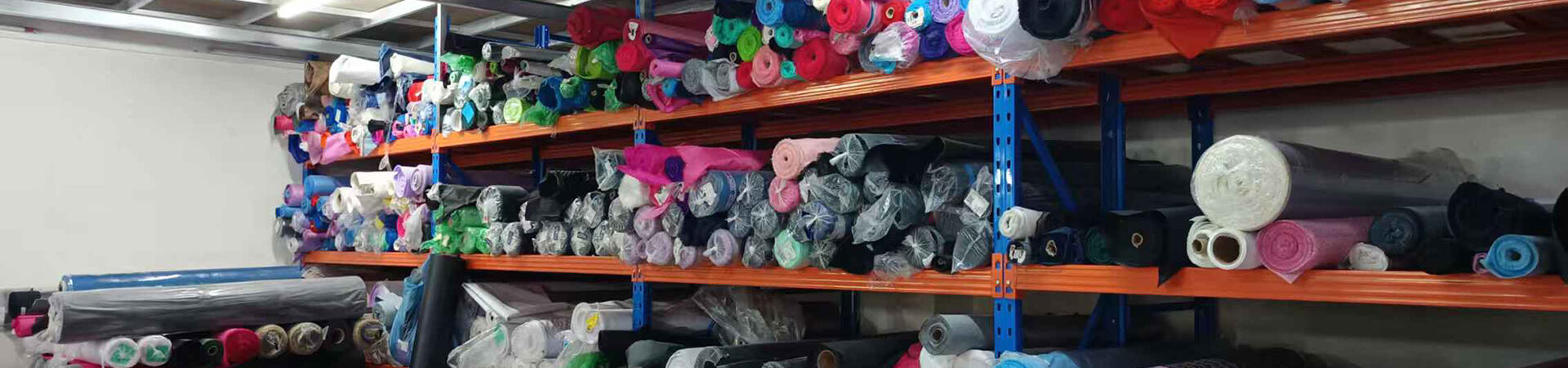
Sodra die monster goedgekeur is, word massamateriaal voorberei.
Tipiese sakmateriale sluit in:
*poliëster- of nylonstowwe
*gerycycleerde Materiale
*Pu Leder
*ritsers en Harware
*weefsel en skum
Betroubare fabrieke voer invoermateriaalinspeksies om te verseker:
*korrekte kleure
*materiaalsterkte
*noggenoegheid van die logo
*nalewing van die handelsmerkvereistes
Hierdie stap is krities vir die handhawing van produkbestendigheid.
Stofrolle word geïnspekteer en volgens die goedgekeurde patrone in panele gesny.
Presisie is hier belangrik omdat akkurate uitsny sowel die produkgehalte as die materiaaldoeltreffendheid beïnvloed .
Gevorderde fabrieke fokus ook op die vermindering van materiaalafval, wat bydra tot volhoubaarheidsdoelewitte .
Dit is waar die sak begin vorm aanneem.
Werknemers monteer die komponente stap vir stap:
*sakkonstruksie
*ritsinstallasie
*paneelnaaiwerk
*bandversterking
*volledige struktuurmontasie
Ervaringryke naaiteams volg gestandaardiseerde vervaardigingsprosedures om te verseker dat elke sak dieselfde gehaltevlak bereik.
Professionele fabrieke voer lyninspeksies gedurende die hele produksieproses , nie net aan die einde nie.
Gehalte-spanne toets:
*naaiwerkkonsekwentheid
*logo-plekingsposisie
*strukturele sterkte
*geheel uiterlike verskyning
Vroegtydige opsporing help om probleme te voorkom wat die hele produksieparty kan beïnvloed.
Voor versending gaan die voltooide sakke deur eindkwaliteitstoets .
Dit sluit gewoonlik in:
*uiterlike Toets
*metingsverifikasie
*funksionaliteitstoetsing
*verpakkingsoorsig
Baie internasionale handelsmerke volg AQL-inspeksiestandarde vir finale goedkeuring.
Nadat die borse deur die inspeksie is, word hulle volgens die handelsmerk se vereistes verpak.
Verpakking kan insluit:
*individuele polisakke of omgewingsvriendelike verpakking
*hangskaaltjies en strepieskode-etikette
*aangepaste kartonmerkings
Die goed word dan vir uitvoer voorberei en na die handelsmerk se verspreidingsentra of werfhouers versend.
Vir handelsmerke maak dit 'n verskil om met 'n fabriek te werk wat 'n duidelike en betroubare vervaardigingsproses het, aangesien dit produkontwikkeling makliker en voorspelbaarder maak.
ʼN Transparante vervaardigingsvennoot help om die volgende te verseker:
*konstante Produk Kwaliteit
*betroubare leweringsdae
*vlotter kommunikasie
*langtermyn-vennootskap sukses
Omdat, aan die einde van die dag, uitstekende sakke nie net oor ontwerp gaan nie—hulle gaan ook oor hoe hulle vervaardig word .

Kopiereg © Quanzhou Glory Sports Goods Co. Ltd. Alle regte voorbehou - Privatheidbeleid